Discussion
Background and aims
Histidine-rich proteins 2/3 (HRP2/3) are abundant proteins expressed only by Plasmodium falciparum and are the targets of the most widely used rapid diagnostic test (RDT) for malaria. Several countries have been identified with a high prevalence of HRP2/3 gene deletions resulting in false-negative RDT results for malaria. The WHO recommends tracking the prevalence of HRP2/3 gene deletions to guide RDT selection, but this data is under-reported for Uganda. The aim of this study was to determine the prevalence of HRP2/
3 gene deletions in Uganda and the impact on RDT malaria diagnosis using RDT in Uganda.
Methods
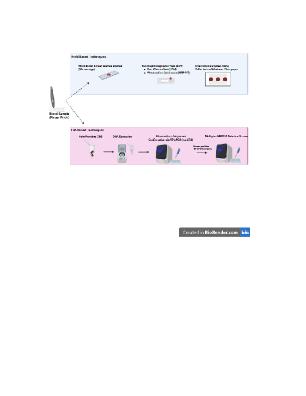
A field study was conducted in May 2025 in Uganda in a population in a malaria-endemic region. Field diagnosis of malaria consisted of microscopy (WHO gold standard), HRP2/3 RDT (
P. falciparum) and LDH RDT (Pan
Plasmodium species). Laboratory confirmation and quantification of malaria infection was performed by varATS real-time PCR assay on DNA extracted from blood spot samples. Latent class analyses (LCA) were conducted to assess diagnostic accuracy and highlight unobserved categorical variables within the population.
Results
Four study sites were evaluated consisting for 400 asymptomatic participants (aged 3-84) living in malaria-endemic areas. This study provided measures of sensitivity and specificity for each field-based malaria diagnostic test. The impact and prevalence of the HRP2/3 gene deletion on malaria diagnosis. LCA identified the diagnostic accuracy of malarial metrics in an at-risk Ugandan population.
Conclusions
False negative malaria diagnosis impacts malaria control programmes, impacting population morbidity and mortality. This study demonstrates the current utility of malaria field diagnostics to perform population surveillance and malaria disease control in Uganda. These findings inform the Ugandan Ministry of Health, which supports current WHO policy on malaria diagnostics.