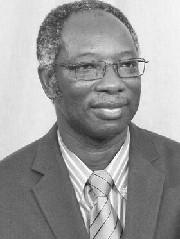
Authors
D Boakye1; 1 The END FUND/Noguchi Memorial Institute for Medical Research, GhanaDiscussion
This presentation reflects on a lifetime of applied research at the interface of parasitology, entomology, and public health, drawing on years of extensive work on Onchocerca volvulus, its Simulium blackfly vectors, and affected communities across Africa. Through decades of field-based investigations, programme engagement, and regional collaboration, this work illustrates how sustained scientific inquiry can guide practical disease control and elimination efforts. The lecture highlights key lessons learned from studies on transmission dynamics, vector ecology, parasite variation, and the operational realities of onchocerciasis control within diverse ecological and social settings. Central to this experience is the recognition that effective control of vector-borne neglected tropical diseases requires more than laboratory science and grounded in a critical understanding of disease transmission and biological systems. Progress against onchocerciasis depends on integrating entomological surveillance, parasitological monitoring, and community participation within large-scale public health programmes such as the Onchocerciasis Control Programme and the African Programme for Onchocerciasis Control and work done at the Noguchi Memorial Institute for Medical Research and the END FUND. Work on the cytotaxonomy and population biology of the S. damnosum complex helped refine intervention strategies, while long-term engagement with endemic communities demonstrated the importance of trust, local ownership, and community-directed treatment in sustaining control efforts. By reflecting on these experiences, the presentation underscores how lessons learned over 40 years of research on O. volvulus, blackflies, and endemic communities continue to inform current strategies for elimination, strengthen health systems, and guide future efforts to control vector-borne diseases in Africa. It emphasizes the value of interdisciplinary approaches and long-term partnerships in guiding parasitological research and tackling neglected tropical diseases.